In the fast-paced and ever-evolving landscape of the digital world, where information travels at the speed of light and transactions happen in the blink of an eye, the importance of sea freight might seem overshadowed by the immediacy of digital alternatives. However, the maritime industry continues to play a vital role in global trade, serving as the backbone of international commerce and connecting nations across the oceans. In this blog, we’ll delve into the enduring significance of sea freight in the digital age and explore how it remains an indispensable component of the global supply chain.
The rise of e-commerce and digital technologies has undoubtedly transformed the way businesses operate and conduct transactions. With the click of a button, goods can be ordered, payments can be processed, and information can be transmitted across continents in a matter of seconds. In this era of rapid digitalization, one might question the relevance of traditional shipping methods. Yet, beneath the surface of the virtual realm lies an intricate web of logistical processes, and sea freight emerges as a linchpin that ensures the seamless movement of goods on a global scale.
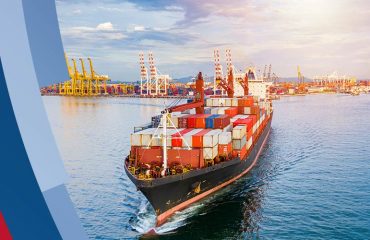
Sea freight, often regarded as the most cost-effective and sustainable mode of transportation, facilitates the movement of large volumes of goods across international waters. As the digital world connects markets and consumers worldwide, the demand for efficient and reliable shipping solutions has only intensified. Sea freight provides the capacity to transport massive quantities of goods, making it an indispensable choice for industries dealing with bulky or heavy commodities. Whether it’s raw materials, manufactured goods, or consumer products, sea freight remains a cornerstone in the supply chain, supporting the global economy’s interconnectedness.
Amid the digital revolution, businesses are constantly seeking ways to optimize their supply chain processes for maximum efficiency. In this context, Sea Freight emerges as a beacon of reliability and sustainability. Sea Freight, characterized by its ability to transport large volumes of goods at an economical cost, serves as a crucial link in the global supply chain. The maritime industry’s adaptability to the digital age is evident in the integration of advanced technologies, such as container tracking systems and automated port operations, enhancing the overall efficiency and transparency of Sea Freight.
One of the key advantages of Sea Freight is its environmental sustainability. As the world grapples with the challenges of climate change, the maritime industry has been proactive in adopting eco-friendly practices. Modern container ships are designed with fuel efficiency in mind, and initiatives like slow steaming have been implemented to reduce carbon emissions. The synergy between Sea Freight and sustainability aligns with the growing global focus on environmentally conscious business practices, making it a preferred choice for companies committed to reducing their carbon footprint.
Furthermore, the reliability of Sea Freight contributes to the resilience of the supply chain. In an era where disruptions, such as natural disasters, geopolitical tensions, and global pandemics, are becoming increasingly common, having a robust and dependable transportation mode is paramount. Sea Freight’s ability to transport goods on a massive scale provides a buffer against uncertainties, ensuring a steady flow of commodities even in the face of unforeseen challenges.
The strategic importance of Sea Freight is further underscored by its role in facilitating international trade. Many nations rely on the maritime industry to connect with trading partners across the globe. The extensive network of shipping routes and ports ensures that goods can traverse oceans, linking production hubs with consumer markets seamlessly. As trade barriers continue to diminish in the digital era, Sea Freight becomes a vital catalyst for economic growth, fostering collaboration and exchange between nations.
In conclusion, while the digital world may dominate headlines and shape the way we live and do business, the importance of Sea Freight in the global economy cannot be overstated. As businesses navigate the digital waves, they find themselves anchored to the reliability, sustainability, and efficiency that Sea Freight offers. In this dynamic landscape, the maritime industry proves to be not just a relic of the past but a resilient force that continues to shape the future of international trade.